For overseas buyers, the equipment price is only one part of landed project cost. Container quantity, oversized modules, factory-to-port transport, destination handling and unloading equipment can change both budget and startup date. Shipment planning should therefore begin before the purchase contract, not after fabrication.
The Mikkino export packing and container loading gallery shows actual preparation, while the container shipment case explains how buyers can review packing and loading evidence.
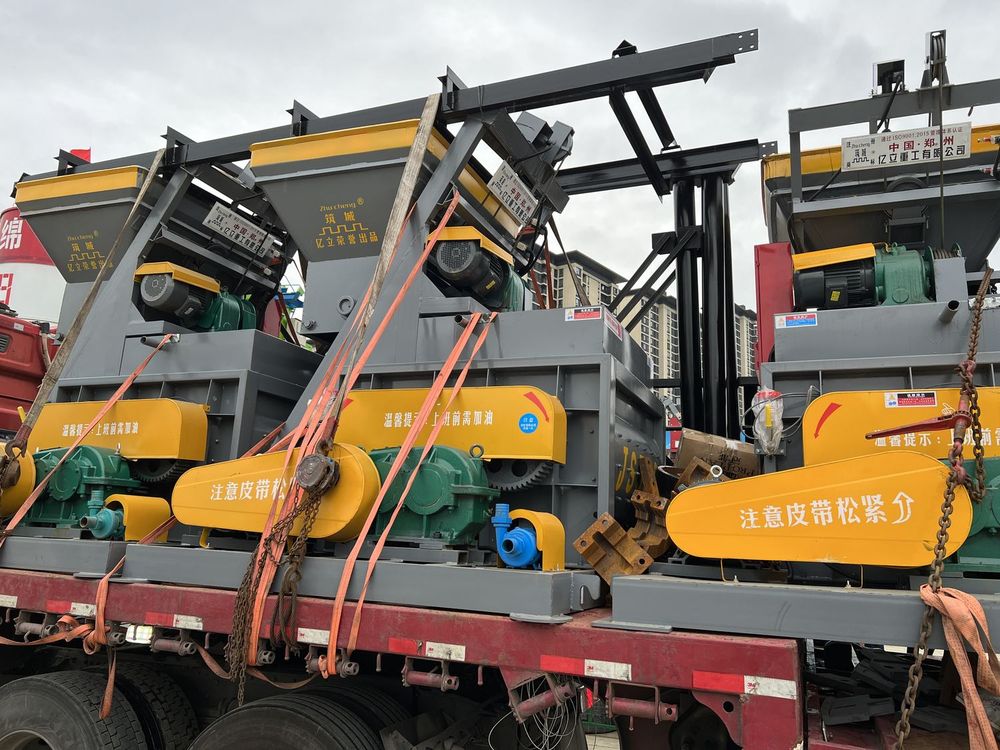
Define the delivery boundary first
Clarify the Incoterm, named port or place and the party responsible for export clearance, ocean freight, insurance, destination charges and inland delivery. The same machine quotation can produce very different landed costs under EXW, FOB or CIF terms. Ask the freight forwarder to confirm the current interpretation and local charges before signing; the equipment supplier should not guess destination fees.
Ask for a preliminary loading schedule
The schedule should identify estimated container types, major module dimensions, approximate gross weights and any out-of-gauge cargo. It is preliminary until engineering and packing are complete, but it allows the buyer to budget cranes, trucks and port handling. Check whether silo bodies are shipped in sections, whether legs and platforms are nested, and which components must remain protected from moisture.
Match protection to each component
A control cabinet does not need the same packing as a steel platform. Electrical parts require moisture and impact protection; motors and reducers need protected shafts and interfaces; loose fasteners should be labelled by assembly area; painted structures need contact-point protection and secure lashing. Long screw conveyors require support that prevents bending during lifting and sea movement.
Create a packing register
Each package or loose item should connect to a packing list, drawing or installation zone. Practical identification includes package number, contents, quantity, gross weight and destination module. Photograph important packages before closing the container, then photograph the final lashing and container seal. This record helps both installation sequencing and any damage investigation.
Plan unloading before the vessel departs
Confirm crane capacity at the required working radius, forklift rating, lifting points, spreader needs, access-road width and ground bearing condition. A crane's nameplate capacity is not the available capacity at every radius. Remote projects should also verify bridge limits, overhead lines, turning radius and whether containers can reach the construction area.
Unloading sequence affects installation
Do not unload wherever space is available. Group parts by foundation zone and installation order: aggregate system, mixer tower, powder system, utilities and control equipment. Keep electrical packages dry and accessible. If the first structural modules are blocked behind later-stage parts, the installation team may spend extra days relocating cargo.
Compare landed and installed cost
A lower equipment quote may not be cheaper if it uses more containers, requires unusual inland transport or shifts extensive assembly work to the site. Compare equipment, export packing, freight basis, destination handling, unloading, civil work and estimated installation support on the same worksheet. Keep uncertain local costs visible rather than hiding them inside one total.
Documents to close before dispatch
- Commercial invoice and packing list consistent with the contract.
- Container and seal numbers linked to the loading record.
- Major lifting weights, lifting points and unloading precautions.
- Installation drawings, electrical documents and package identification.
- Spare-parts list and location of critical commissioning items.
What to do if damage is found
Before moving or repairing the item, photograph the container, seal, package, damage and surrounding cargo. Note the discovery time and preserve relevant transport documents. Notify the responsible carrier, insurer and supplier according to the agreed process. Immediate, traceable evidence is more useful than a general complaint after the cargo has been redistributed.
Shipping quotation checklist
- Destination country and nearest seaport.
- Expected plant model and capacity.
- Container quantity estimate and oversized cargo requirements.
- Whether local unloading will use crane, forklift or truck-mounted lifting equipment.
- Spare parts, control cabinet protection and packing list confirmation.
Common questions
Are loading photos enough to approve shipment? No. Use them with the packing list, container plan, inspection agreement and contract milestones.
When should the buyer book a crane? Only after receiving confirmed package weights and dimensions, then ask the lifting contractor to select equipment for the real radius and site condition.
Where should planning continue? Review the export packing evidence, the shipment case and the installation checklist before requesting a final quotation.