A concrete batching plant is not complete when the containers arrive. Foundation handover, mechanical assembly, electrical work, calibration, trial batches and operator training determine whether the purchased configuration becomes stable production. Buyers should define this path before shipment and assign every task to a named party.
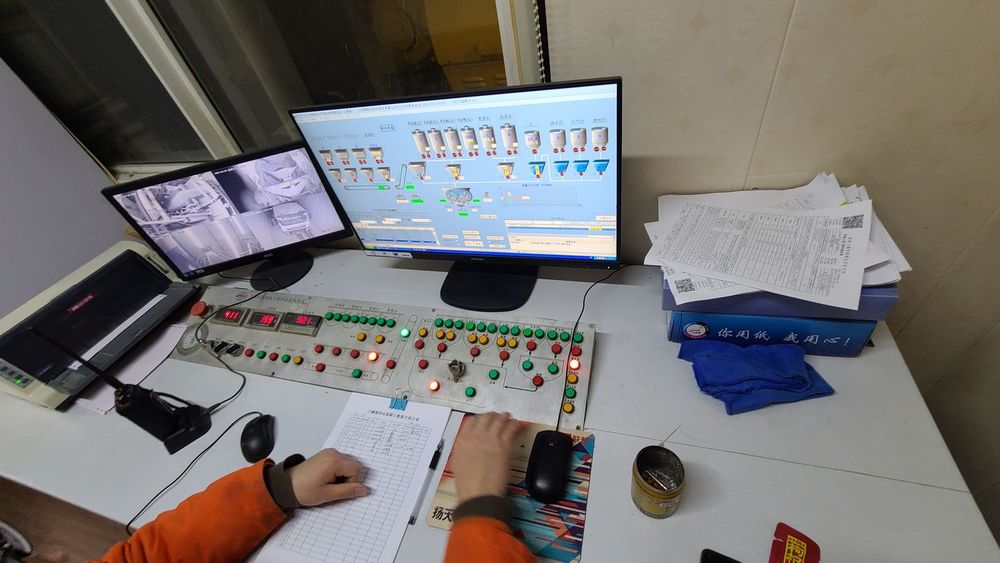
Use the Mikkino installation and commissioning gallery, automatic control room gallery and mountain jobsite case as reference evidence, then adapt the checklist below to local regulations and site conditions.
Set a responsibility matrix before dispatch
List who supplies foundations, anchors, embedded plates, cranes, welders, electricians, cables, water and air connections, accommodation, visas and local permits. State who signs off each stage. This prevents the common situation where equipment, technicians and lifting resources arrive on different dates while storage and site costs continue.
Check civil work before steel erection
Verify foundation coordinates, elevation, diagonal dimensions, anchor position and concrete strength against the approved drawing. Check drainage, cable trenches, truck-lane levels and silo access. Small errors at this stage can misalign conveyors, change discharge height or force site modification of factory-made structures.
Plan lifts from actual weights and radius
Mixer platforms, batching-machine sections and silos have different centers of gravity and lifting points. The installation contractor should select the crane from confirmed package weight, working radius and ground condition, not only nominal lifting capacity. Establish an exclusion zone and use local lifting rules; reference photos are not a substitute for a site lifting plan.
Mechanical and electrical checks must meet
Before energizing, confirm fastener torque where specified, mixer clearance, lubrication, belt alignment, gate movement and reducer oil condition. Electrical checks should cover voltage, phase sequence, grounding, cable identification, motor protection, emergency stops and interlocks. Test each motor briefly in manual mode before automatic sequence testing.
Calibrate before producing concrete
Aggregate, powder, water and admixture scales should be checked with suitable test weights or an agreed calibration method across the working range. Record zero stability, displayed load and deviation. Then verify gate response, coarse/fine feed transition, overrun compensation and discharge sequence. Local legal metrology requirements may also apply to commercial ready-mix operations.
Commission in controlled stages
- Inspect assembly and clear tools, transport brackets and temporary supports.
- Test individual drives, gates, valves, sensors and emergency circuits.
- Run the plant dry to verify sequence and interlocks.
- Load materials and check weighing repeatability and moisture input.
- Produce trial batches, observe mixer load and adjust discharge timing.
- Confirm concrete results under the buyer's laboratory procedure.
- Record open items, responsible party and completion date.
Design the control room around decisions
The operator needs a clear view of alarms, scale status, recipe, material inventory and truck or receiving status. For a double-line plant, one trained operator may supervise both automatic lines during stable production if the system and local procedures permit. That does not eliminate loader, quality-control, dispatch and maintenance roles. Separate permissions for recipe editing, manual operation and production reports reduce avoidable changes.
Use measurable acceptance criteria
Agree in advance what constitutes handover: mechanical completion, safety devices, scale checks, automatic cycles, batch records, training and a defined trial-production period. Net output should be evaluated under stated conditions, including recipe, aggregate moisture, truck availability and cycle definition. A 70% operating level may be a reasonable early planning reference, but it should never replace a project-specific acceptance test.
Train for faults, not only normal production
Operators should practice safe stop and restart, sensor-fault response, manual discharge, recipe authorization, daily cleaning and shift inspection. Maintenance staff need lubrication points, wear limits, spare-parts identification and lockout procedures. Give the team wiring diagrams, manuals, calibration records and backup instructions in a usable language.
Installation and control checklist
- Foundation type, drainage, site elevation and ground condition.
- Local crane availability and access road width.
- Power supply, local voltage and control-room position.
- Operator experience, language needs and training plan.
- Concrete grades, daily production demand and truck fleet situation.
Common questions
How long does installation take? There is no responsible single answer without the model, foundation status, lifting resources, crew size and local conditions. Build a schedule from these inputs and include weather and inspection hold points.
Can remote commissioning replace an on-site engineer? It can support experienced local teams, but difficult erection, control integration or first-time operators may justify on-site assistance. Define the support scope before purchase.
What should be sent for planning? Provide the selected model, site layout, foundation status, voltage, available crane, local crew, target startup date and concrete application through the quotation form.